
Step by step instructions to Cook Poached Eggs
Delicate, gooey poached eggs are an unquestionable requirement for exemplary eggs benedict however can likewise be appreciated in a soothing bowl of ramen or on sauteed greens.
To make poached eggs, start with new eggs, which have firmer egg whites that don’t leave a wispy wreck when you poach.
Just have old eggs?
- Break them into a fine-network strainer to strain excessively watery egg white. Then, at that point, follow these means:
- Add in any event 5 creeps of water and 1-2 teaspoons of vinegar to a pot. Heat water to the point of boiling, and diminish the warmth, so the water gradually stews.
- Cautiously drop your egg into the water, allowing it to solidify before you add the following egg. Try not to add too much, or you’ll experience difficulty monitoring cooking time.
- Cook each egg for 3 minutes to get firm whites and a fluid yolk. Allow it to cook for 30 seconds longer if you incline toward a firmer yolk.
The most effective method to Cook Boiled Eggs
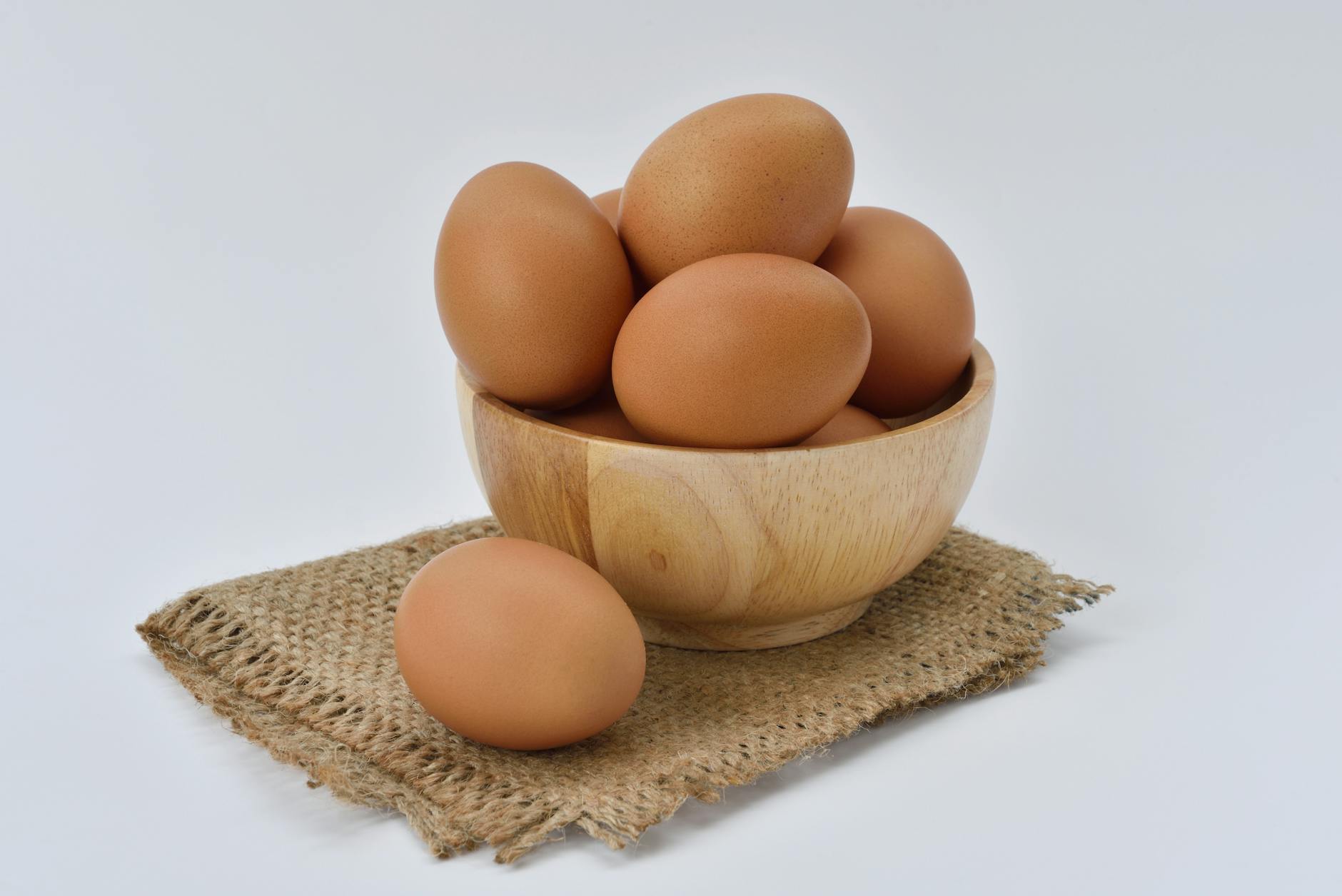
How would you heat an egg? It relies upon if you like them delicate bubbled or hard-bubbled.
The more do you like your eggs, the more they need to sit in steaming hot water. Says McKee-Clark, “Delicate bubbled are my top pick, so I can dunk my toast into the runny yolk, and there’s no requirement for any additional oil.”
To make bubbled eggs, add your eggs to a pot and cover them within any event an inch of water. Then, at that point, follow these means:
Carry the pot to an amazing moving bubble on high warmth.
Mood killer the warmth and quickly cover the pot.
On the off chance that you like delicate bubbled eggs, let the eggs sit for 5 minutes, then, at that point channel, break, and appreciate!
If you need hard-bubbled eggs, let the eggs sit for 10 minutes, then, at that point channel, break and appreciate!
Master tip: McKee-Clark gives us the motivation to see the value in old eggs for once: “Utilizing week-old eggs is consistently the smartest choice for getting that ideal, under-the-film strip when you make bubbled eggs.”
2026 Update: What’s New
Smart induction cooktops with AI-powered egg modes launched in late 2025 now automatically adjust temperature curves for perfect results across all five classic methods. These systems use thermal imaging to detect doneness, eliminating guesswork for scrambled, poached, and soft-boiled eggs.
The FDA updated pasteurization guidelines in January 2026, making sous vide eggs (held at 135°F for 75 minutes) officially recognized as safe for immunocompromised individuals. This has popularized precision cooking methods using affordable immersion circulators now under $40.
Plant-based egg alternatives have improved dramatically, with 2026 formulations achieving authentic texture for scrambling and omelets. However, traditional eggs remain superior for poaching and boiling applications where protein structure is critical.
Carbon-neutral egg certifications became standard in major retailers, with regenerative farming practices reducing environmental impact by 40% compared to 2024 benchmarks.
Key Takeaways for 2026:
- Invest in precision: Budget-friendly smart thermometers ($25-50) ensure consistent results and food safety compliance with new standards
- Try sous vide: 145°F for 45 minutes creates uniquely creamy textures impossible with traditional methods
- Check certifications: Look for Regenerative Organic or Carbon Trust labels for sustainable choices
- Update timing: Modern extra-large eggs average 8% larger than 2020; add 30 seconds to all boiling times